El rastreo de felinos está ayudando a restaurar partes fragmentadas de la selva atlántica de Brasil.
Qué pasa cuando la observación se convierte en restauración.
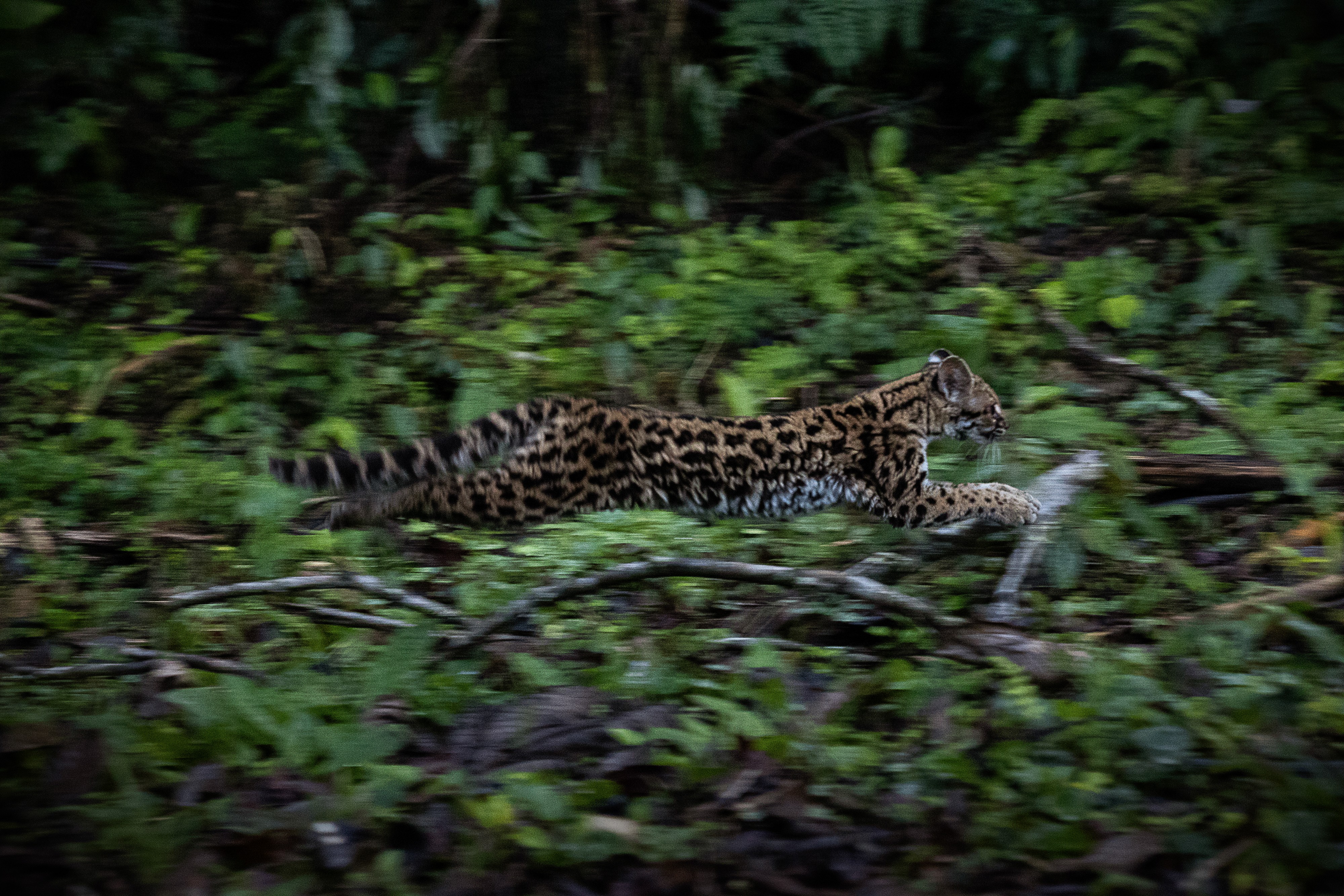
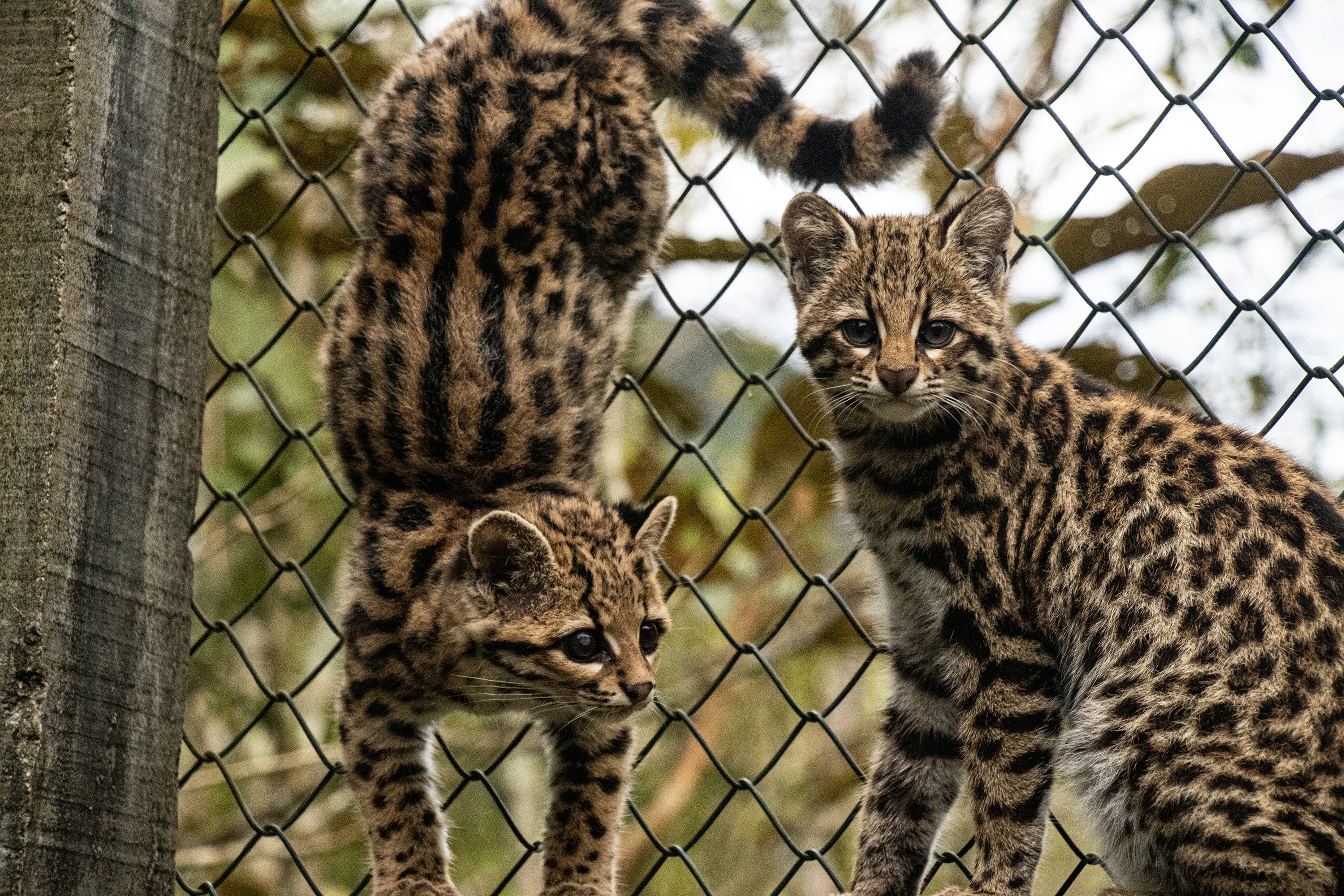
Los felinos siempre han captado nuestra atención. Su mirada incomparable, la sinuosidad de su paso, sus colas danzando en el aire, pura elegancia. Reinan en la cima de la cadena alimentaria.
Dentro de la Reserva Biológica Estatal de Aguaí en Brasil, los felinos salvajes estaban desapareciendo a medida que su bosque se fragmentaba cada vez más. Como superpredadores, necesitan territorios grandes y conectados. Las carreteras, granjas y asentamientos dividieron el bosque en fragmentos, atrapando a los felinos salvajes en poblaciones pequeñas y aisladas.
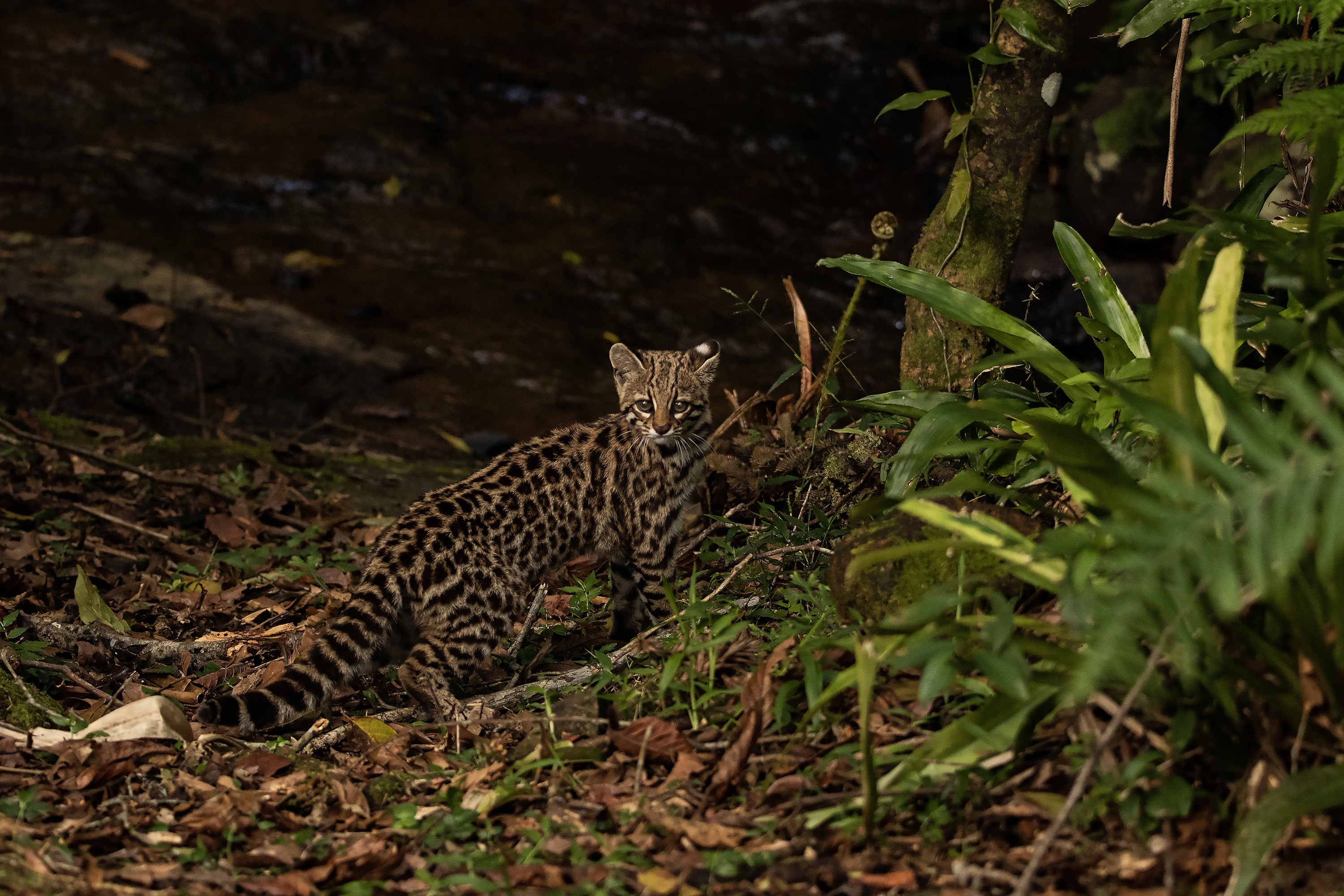
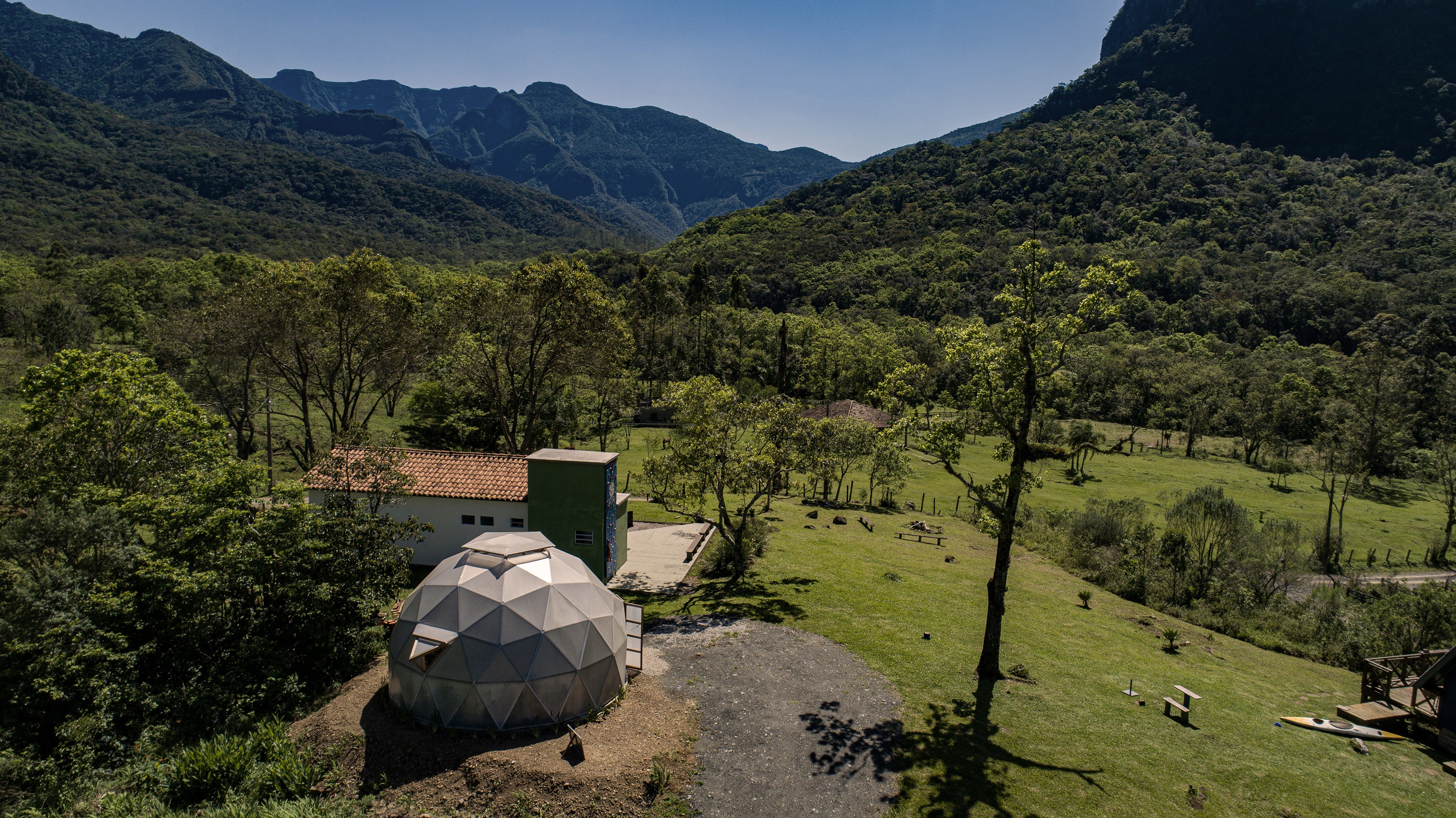
Desde 2005, el Instituto Felinos do Aguaí ha monitoreado a los residentes más esquivos del bosque: pumas, ocelotes, margays, yaguarundíes y tigrillos, utilizando su presencia para comprender cómo está cambiando la Mata Atlántica.
Con el tiempo, su investigación reveló una verdad más amplia: proteger a los felinos silvestres significaba restaurar los bosques y reconstruir las relaciones con las personas que viven junto a ellos. El equipo amplió su labor, convirtiéndose en reforestadores y educadores, entrelazando la ciencia, la educación ambiental y la repoblación forestal para apoyar la coexistencia.
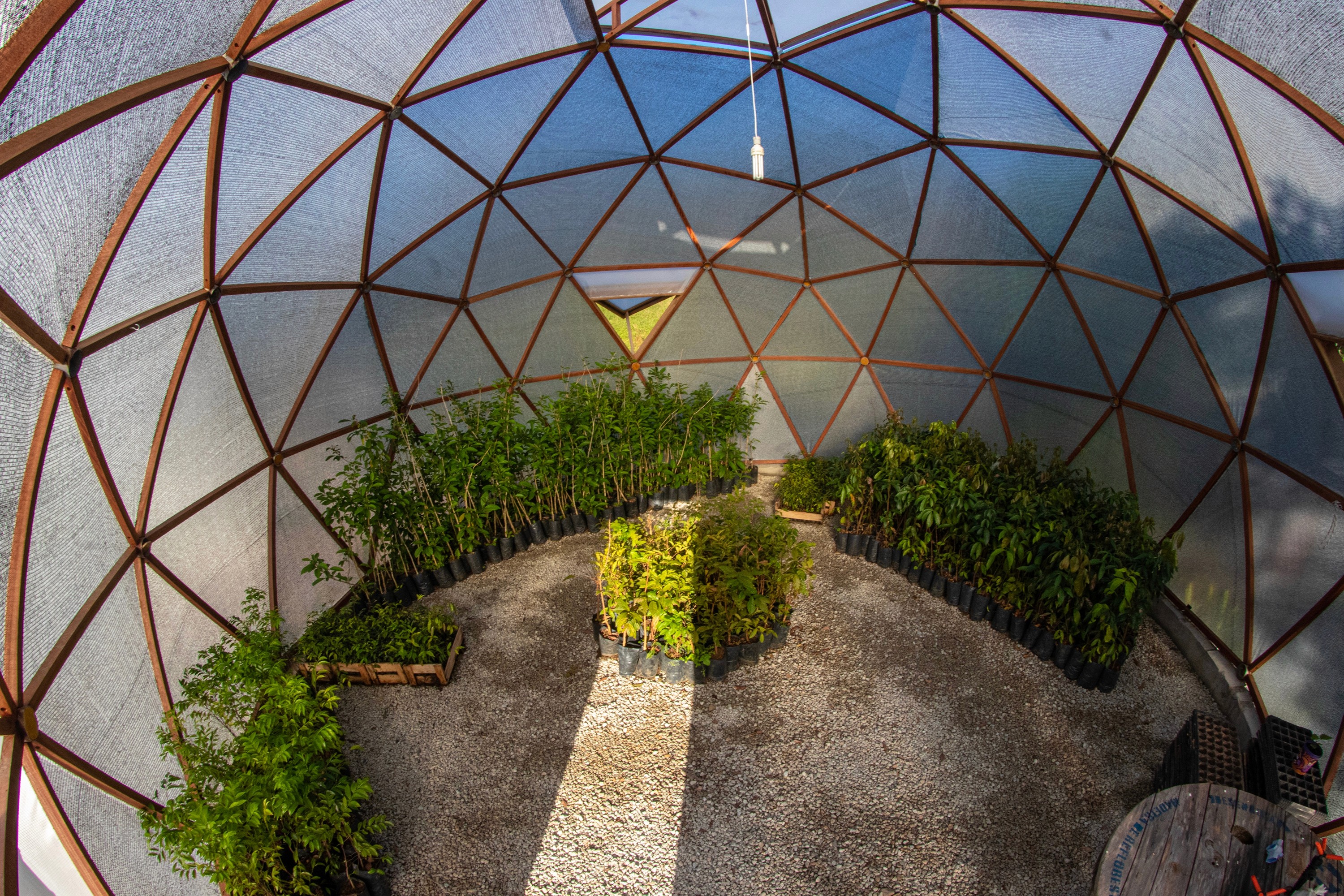
En 2023, ese cambio se hizo tangible. Construyeron un vivero forestal para cultivar plántulas nativas y reconectar fragmentos de un bosque que alguna vez fue continuo.
Pero los bosques no se curan de forma aislada. Las comunidades locales son fundamentales para este trabajo.
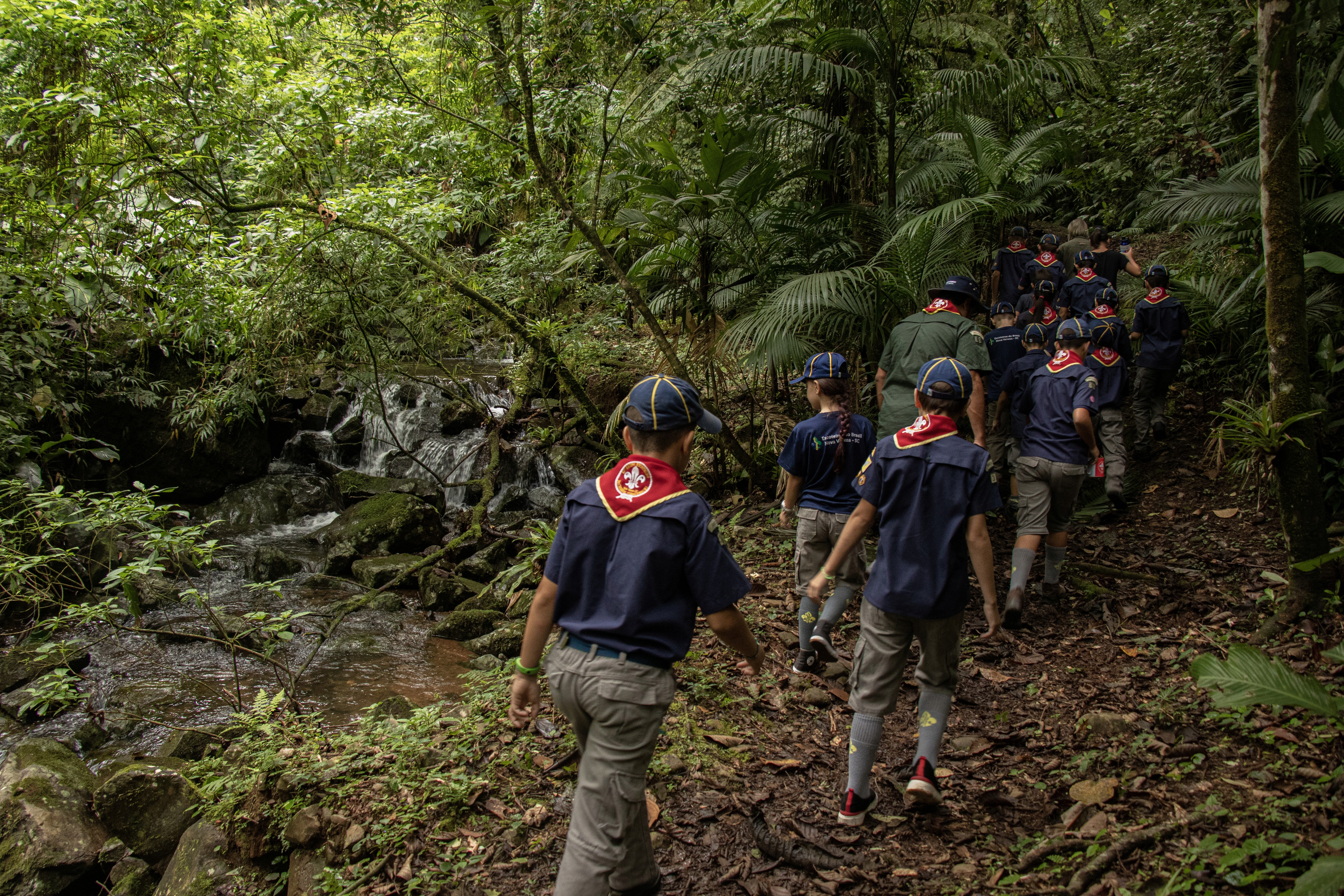
A través de visitas escolares, paseos por el bosque y jornadas de plantación, los niños aprenden a interpretar la tierra, a través de las huellas, el canto de las aves y el cambio de las estaciones.
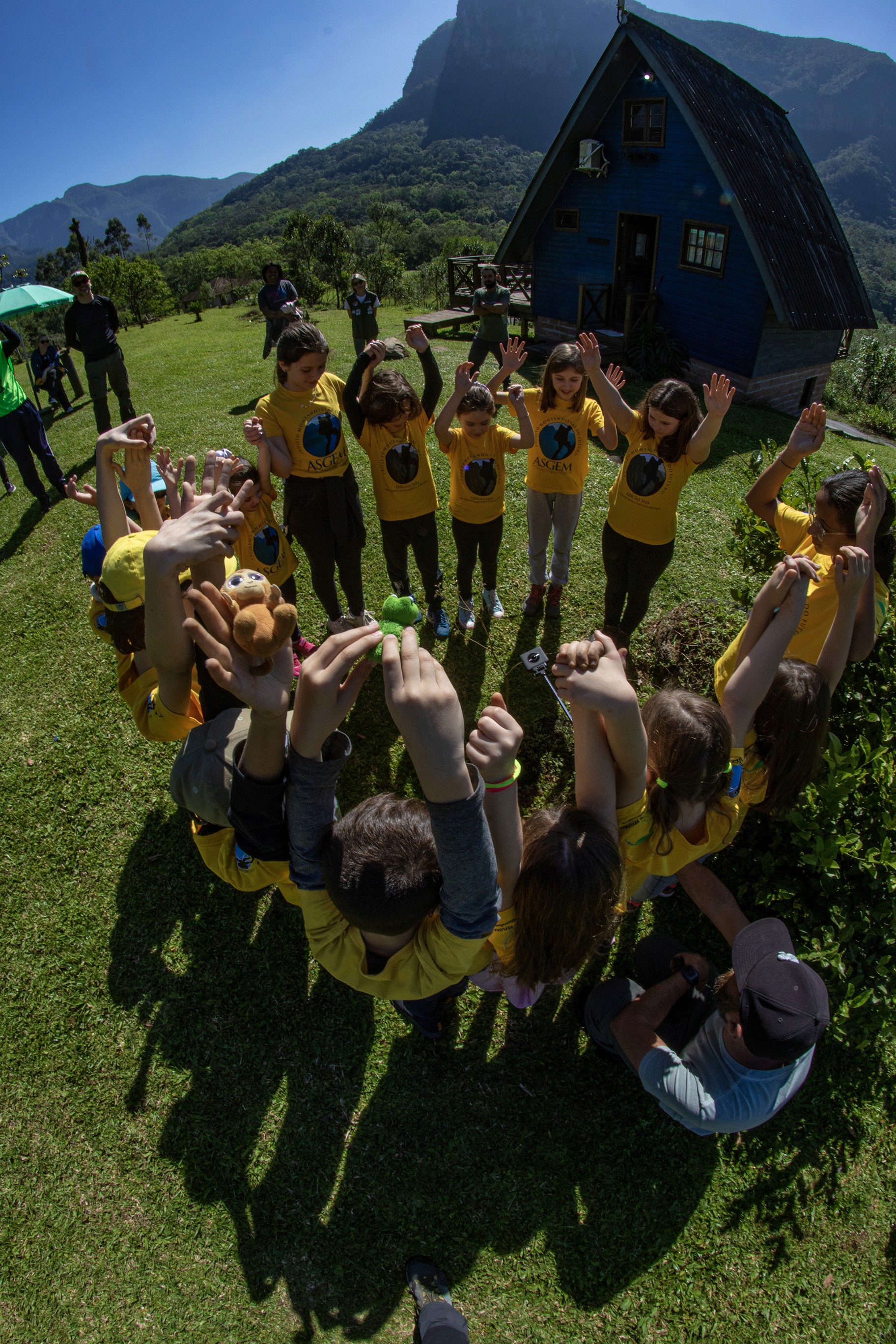
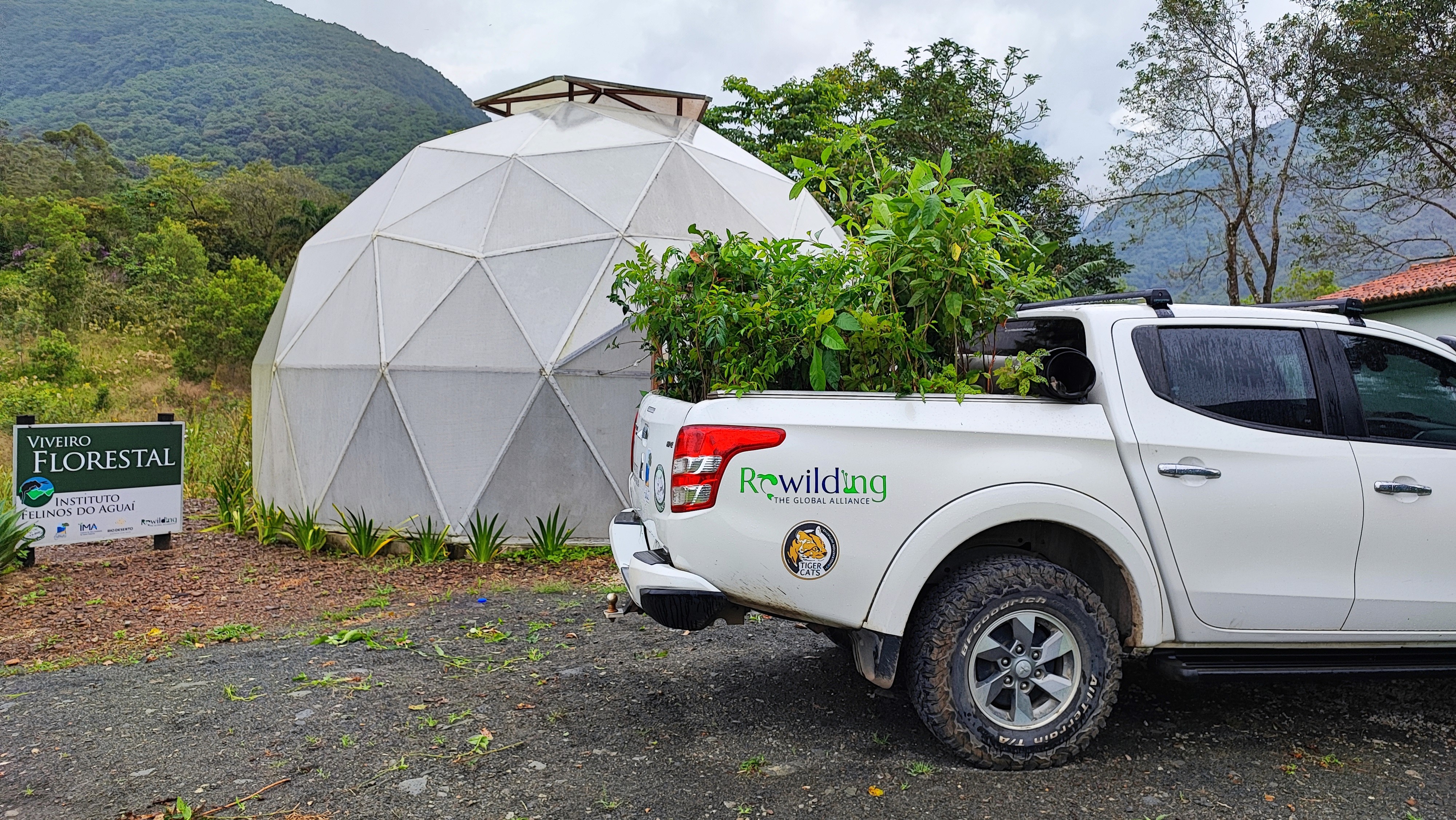
Juntos, han plantado 663 árboles nativos, restaurando áreas de manantiales en toda la Reserva Aguaí, lo que apoya una red de manantiales naturales que alimentan los ríos locales. Estos ríos contribuyen a la cuenca del río São Bento, cuyo embalse abastece de agua a más de 300,000 personas.
En paralelo a la recuperación del ecosistema, 11 felinos silvestres fueron rehabilitados.
Los pumas siguen reproduciéndose. Los buitres reyes y los monos aulladores rojos han regresado. Y 317 animales de compañía han sido vacunados para proteger al resto de la fauna y a la comunidad.
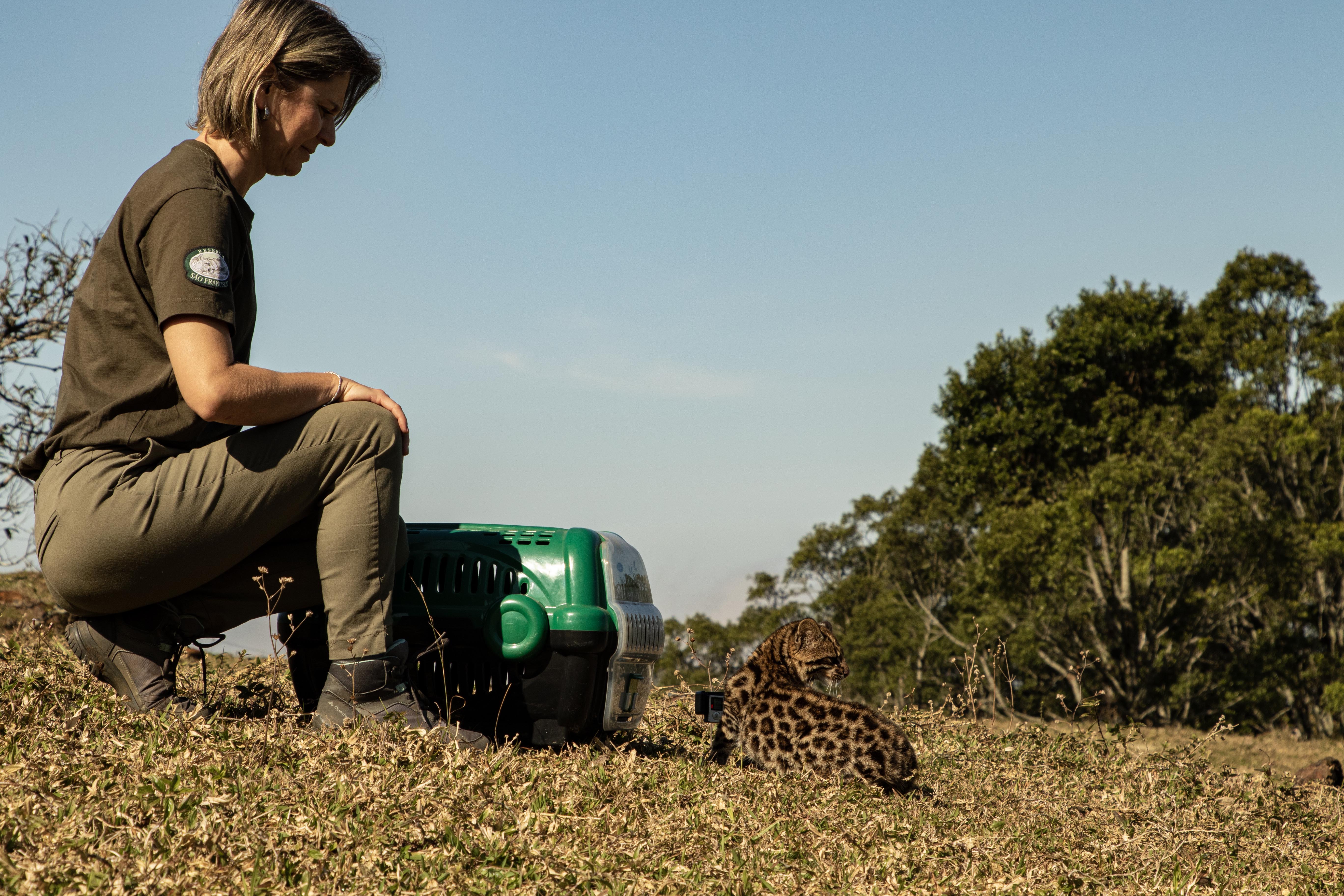
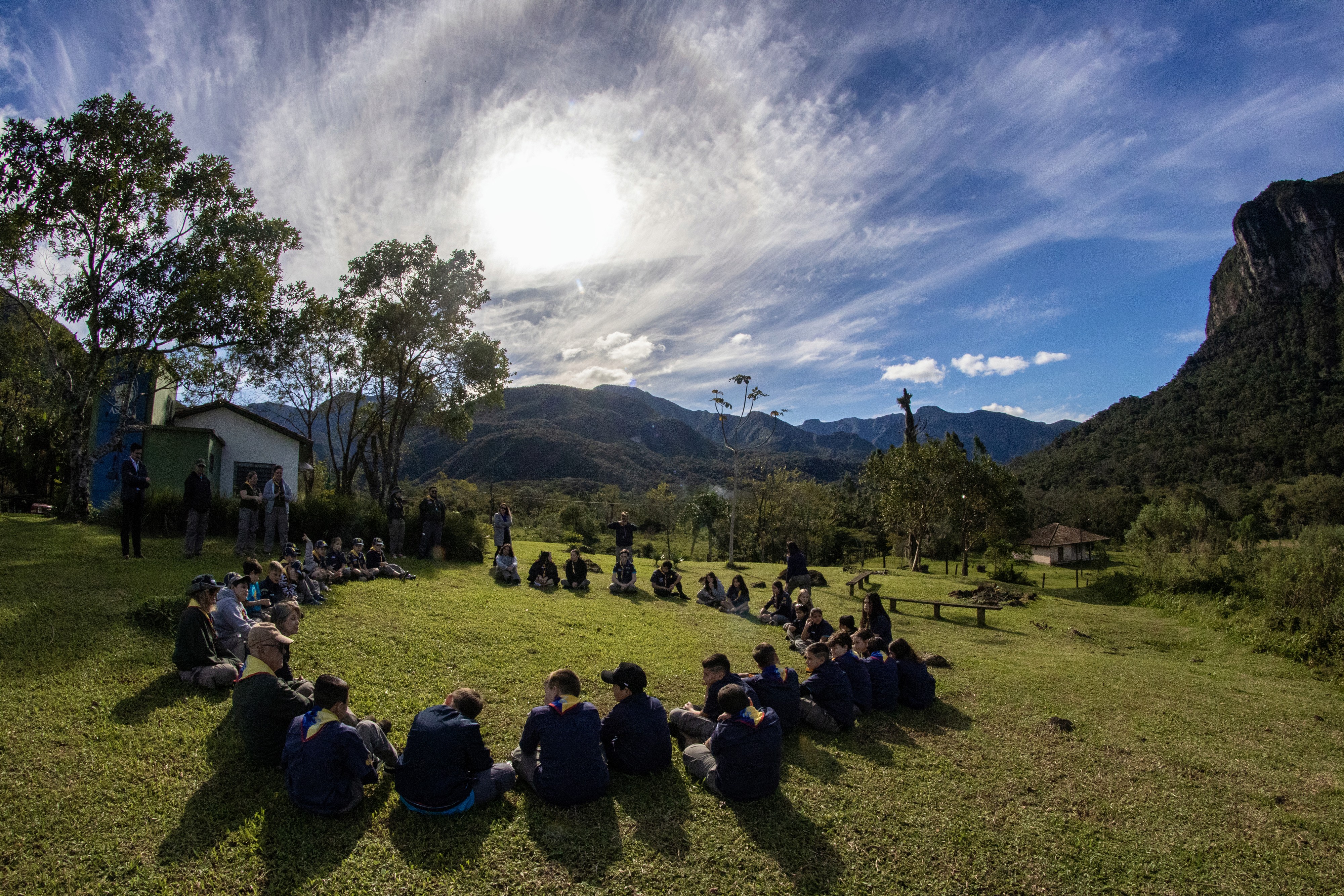
Hoy, Felinos do Aguaí comparte este trabajo en Restor, mapeando áreas restauradas, rastreando los cambios a lo largo del tiempo y conectando con una comunidad global que trabaja por la restauración ecológica a gran escala.
Explora, aprende de y apoya el trabajo que se está desarrollando en la Reserva Biológica Estatal de Aguaí en Restor.