O monitoramento de felinos está ajudando a restaurar partes fragmentadas da Mata Atlântica do Brasil.
O que acontece quando a observação se transforma em restauração.
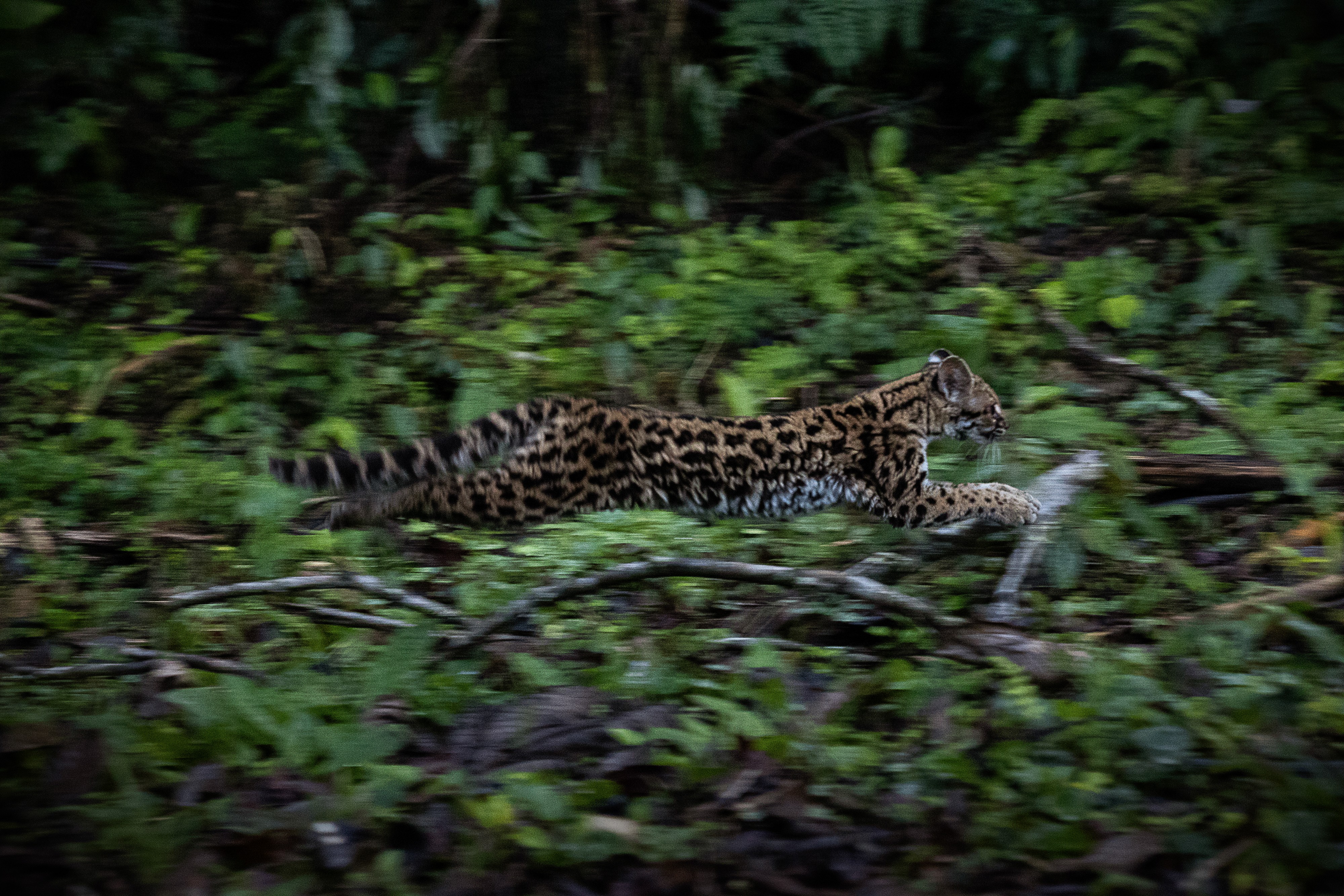
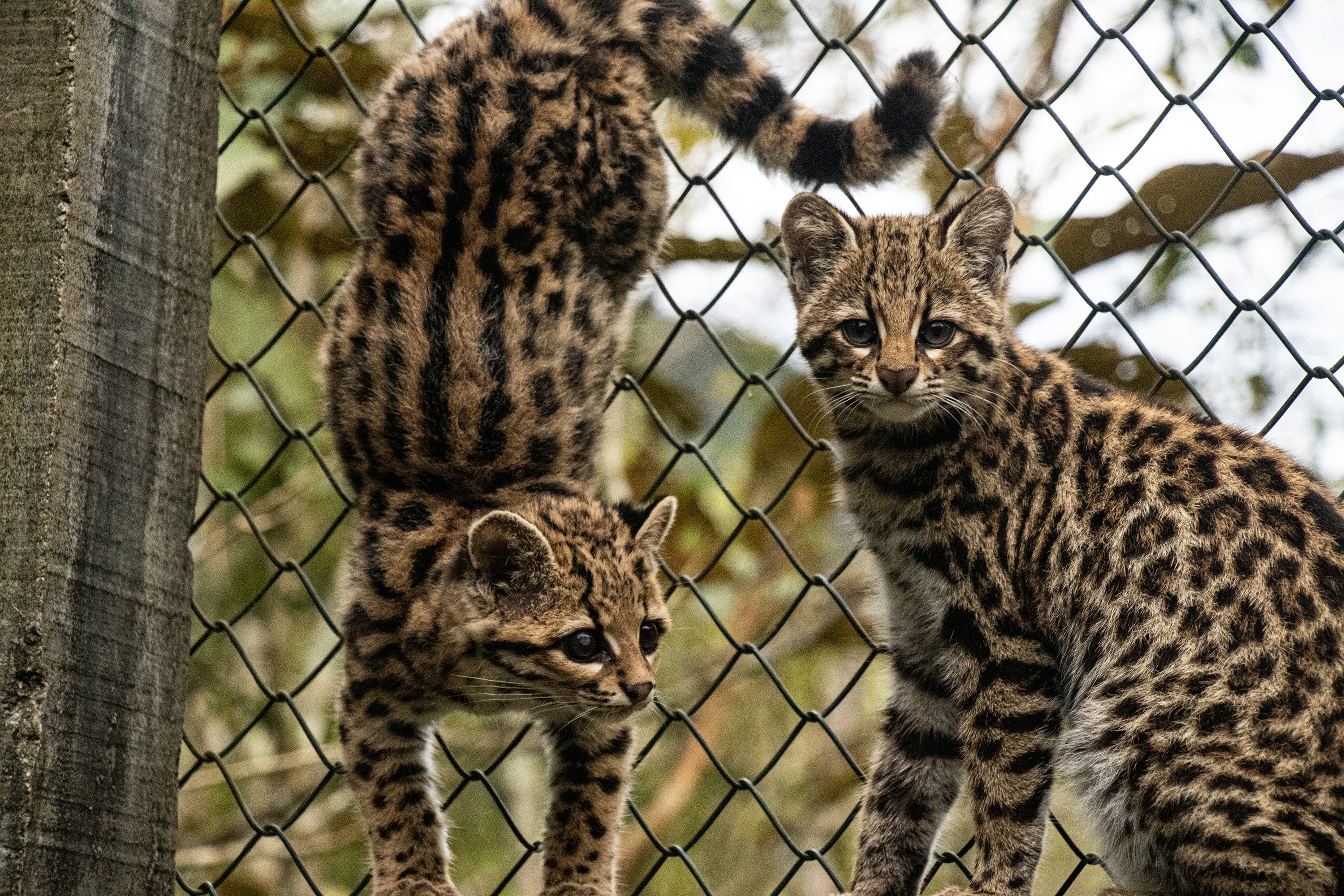
Os felinos sempre prenderam a nossa atenção. O seu olhar incomparável, a sinuosidade dos seus passos, as suas caudas a dançar no ar, pura elegância. Eles reinam no topo da cadeia alimentar.
Dentro da Reserva Biológica Estadual do Aguaí, no Brasil, os felinos selvagens estavam desaparecendo à medida que a floresta se tornava cada vez mais fragmentada. Como predadores de topo, eles precisam de territórios grandes e conectados. Estradas, fazendas e assentamentos dividiram a floresta em fragmentos, prendendo os felinos selvagens em populações pequenas e isoladas.
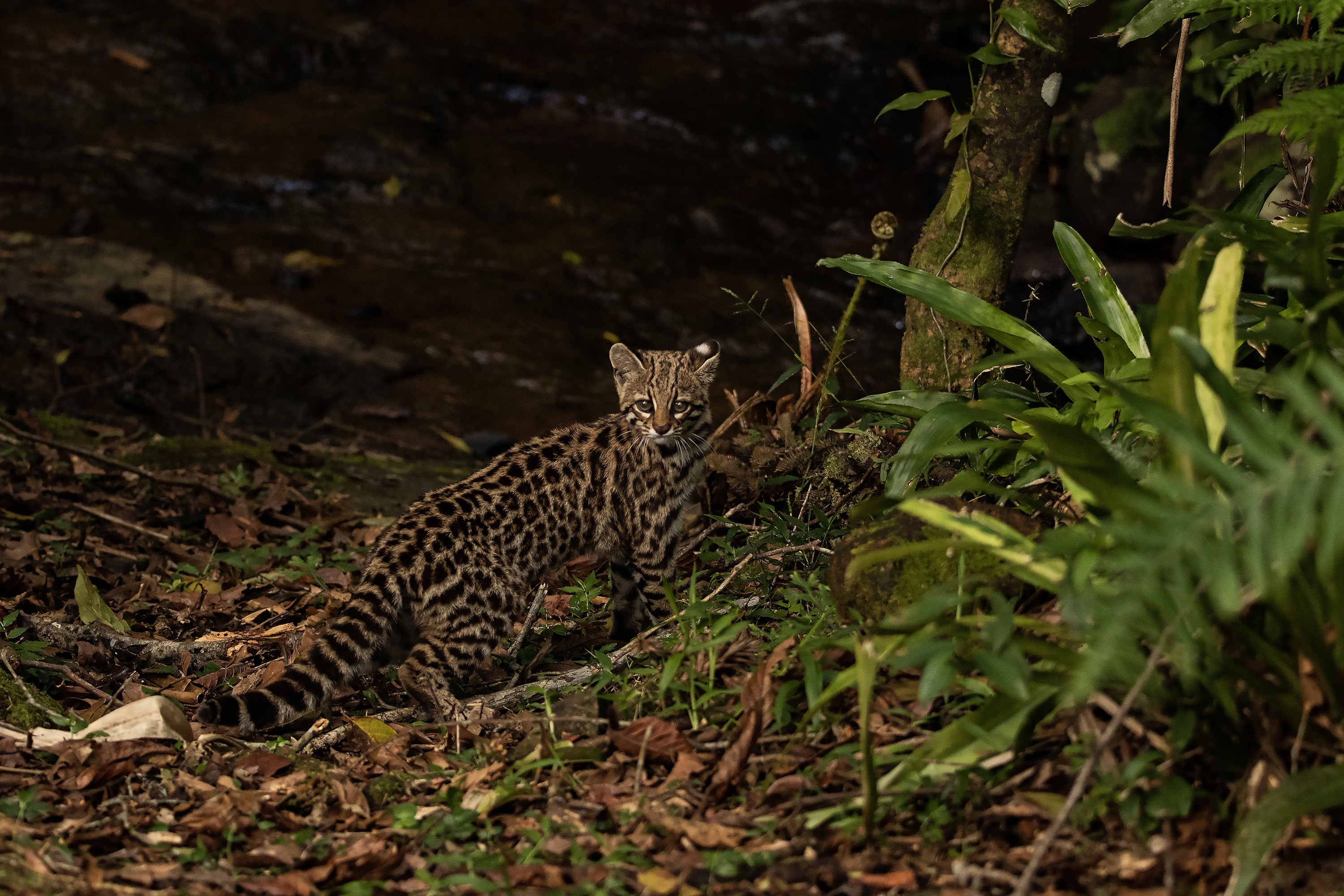
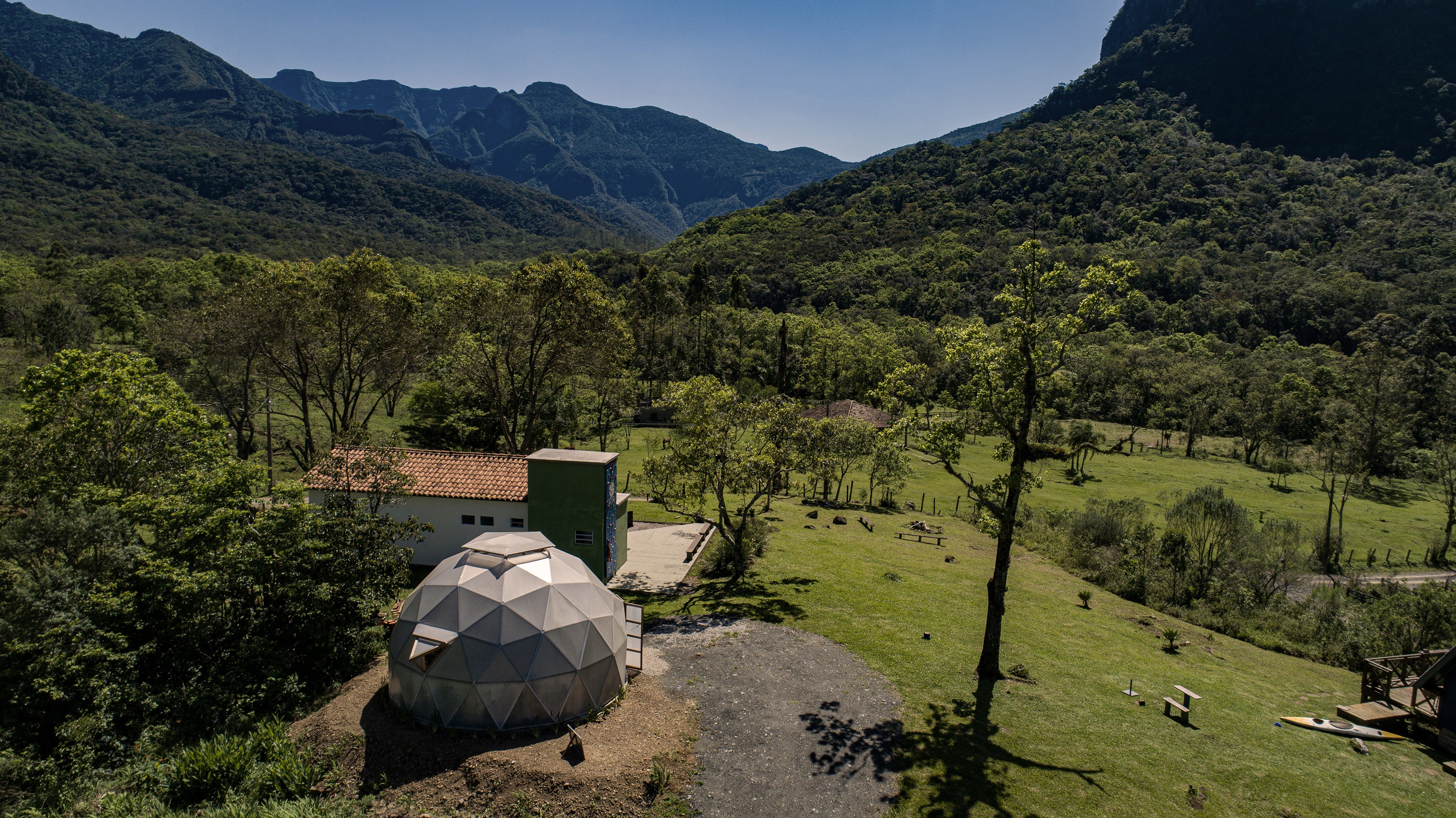
Desde 2005, o Instituto Felinos do Aguaí monitora os residentes mais esquivos da floresta: pumas, jaguatiricas, gatos-maracajás, jaguarundis e gatos-do-mato, utilizando a presença deles para compreender como a Mata Atlântica está mudando.
Com o tempo, a pesquisa deles revelou uma verdade maior: proteger os felinos selvagens significava restaurar florestas e reconstruir relacionamentos com as pessoas que vivem ao lado deles. A equipe expandiu seu trabalho, tornando-se reflorestadores e educadores, tecendo ciência, educação ambiental e restauração da vida selvagem para apoiar a coexistência.
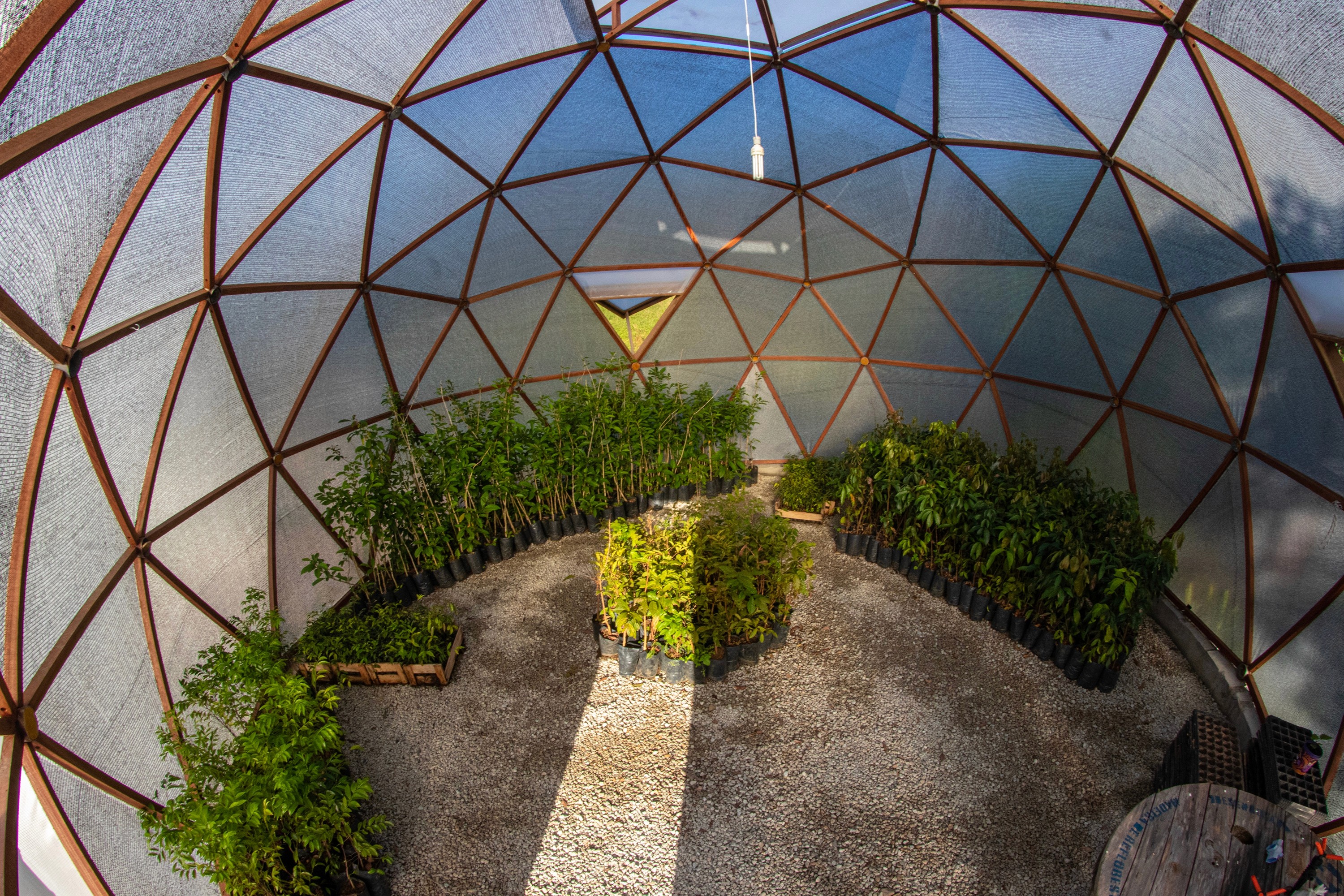
Em 2023, essa mudança tornou-se tangível. Eles construíram um viveiro florestal para cultivar mudas nativas e reconectar fragmentos de uma floresta que outrora fora contínua.
Mas as florestas não se recuperam isoladamente. As comunidades locais são centrais para este trabalho.
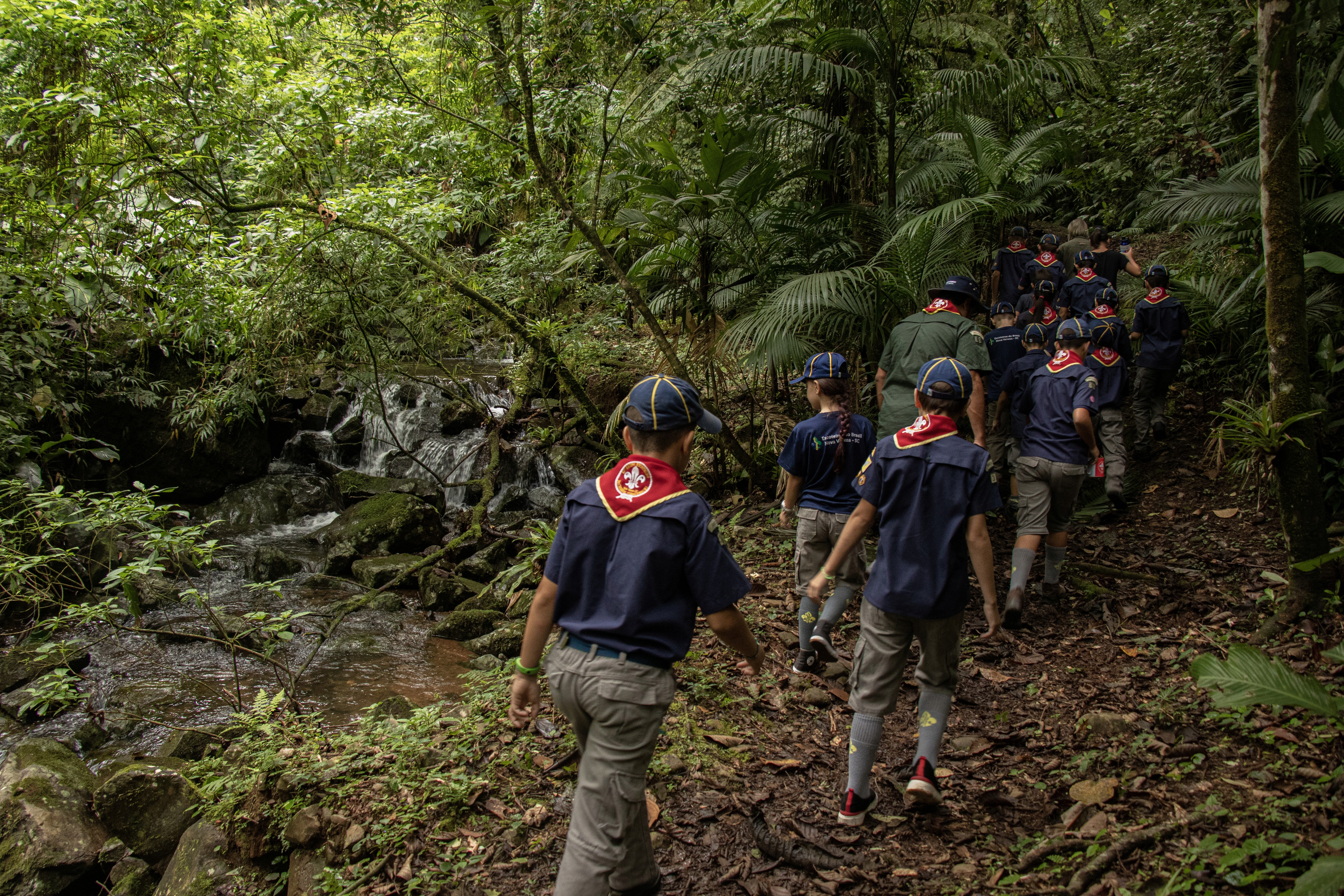
Por meio de visitas escolares, caminhadas na floresta e dias de plantio, as crianças aprendem a ler a terra através de pegadas, canto dos pássaros e a mudança das estações.
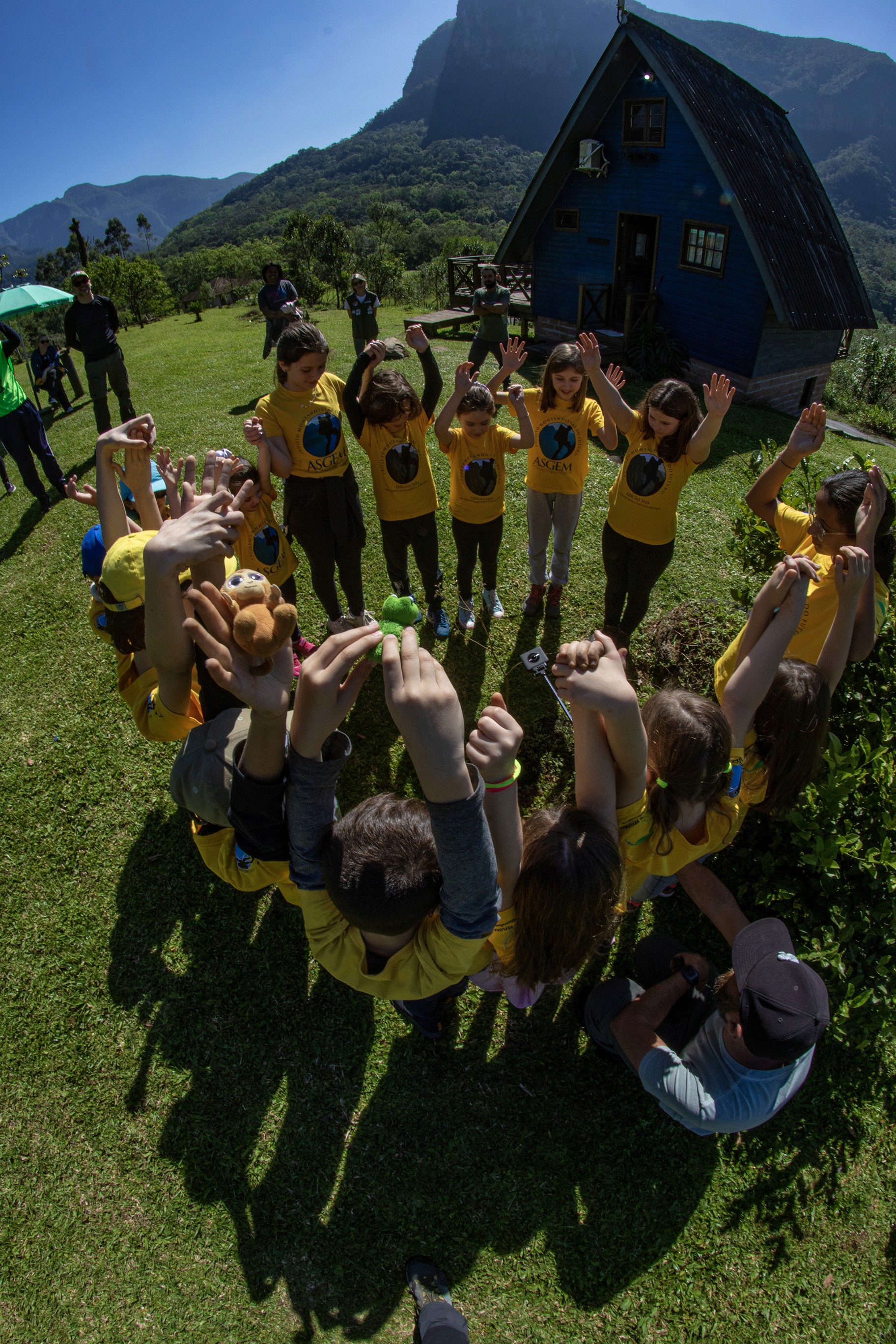
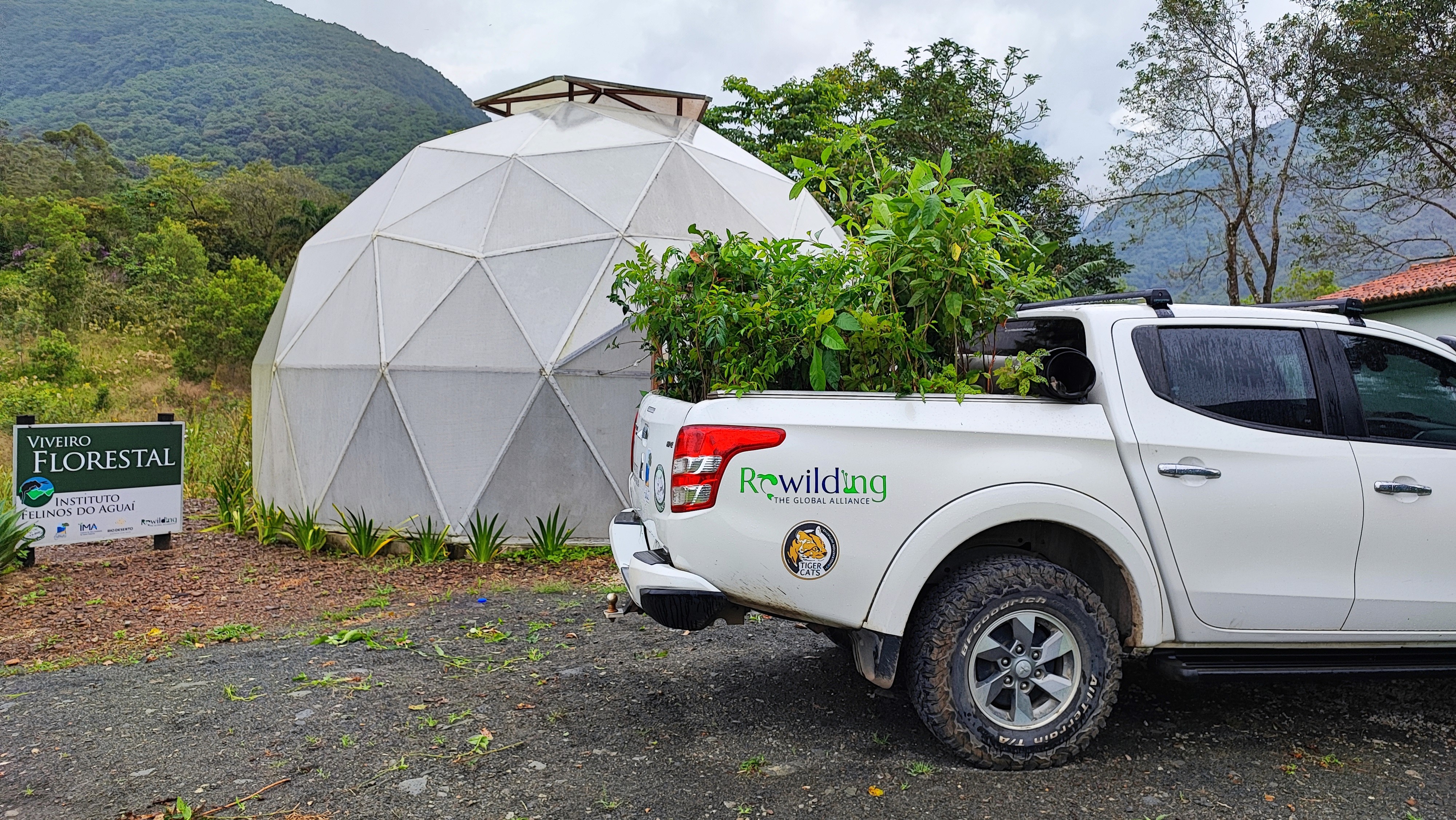
Juntos, eles plantaram 663 árvores nativas e restauraram áreas de nascentes por toda a Reserva do Aguaí, apoiando uma rede de nascentes naturais que alimentam os rios locais. Esses rios contribuem para a bacia do Rio São Bento, cujo reservatório abastece com água mais de 300 mil pessoas.
Paralelamente à recuperação do ecossistema, 11 felinos selvagens foram reabilitados.
Os pumas continuam a reproduzir-se. Os urubus-rei e os bugios-ruivos regressaram. E 317 animais de companhia foram vacinados para proteger a vida selvagem e a comunidade.
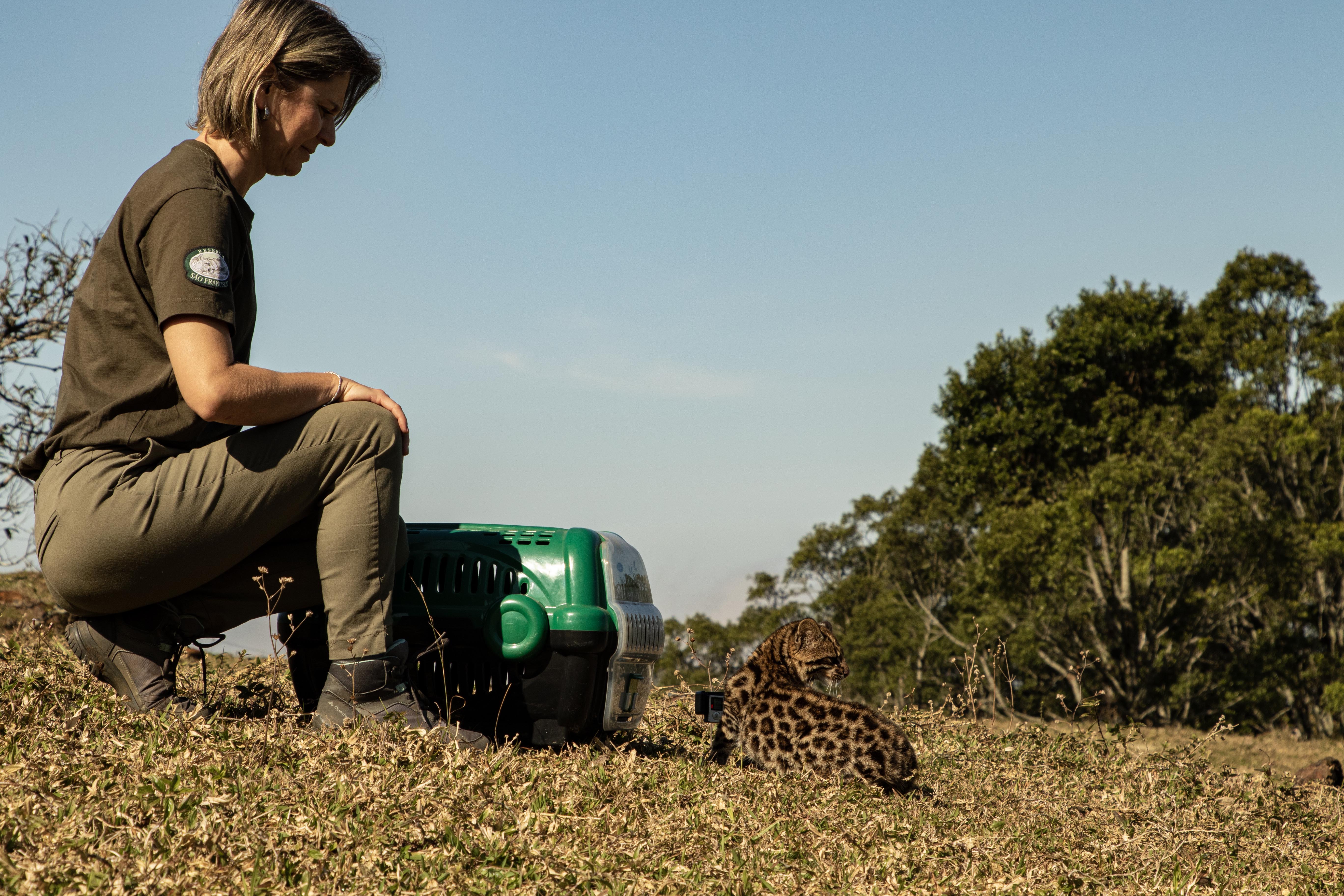
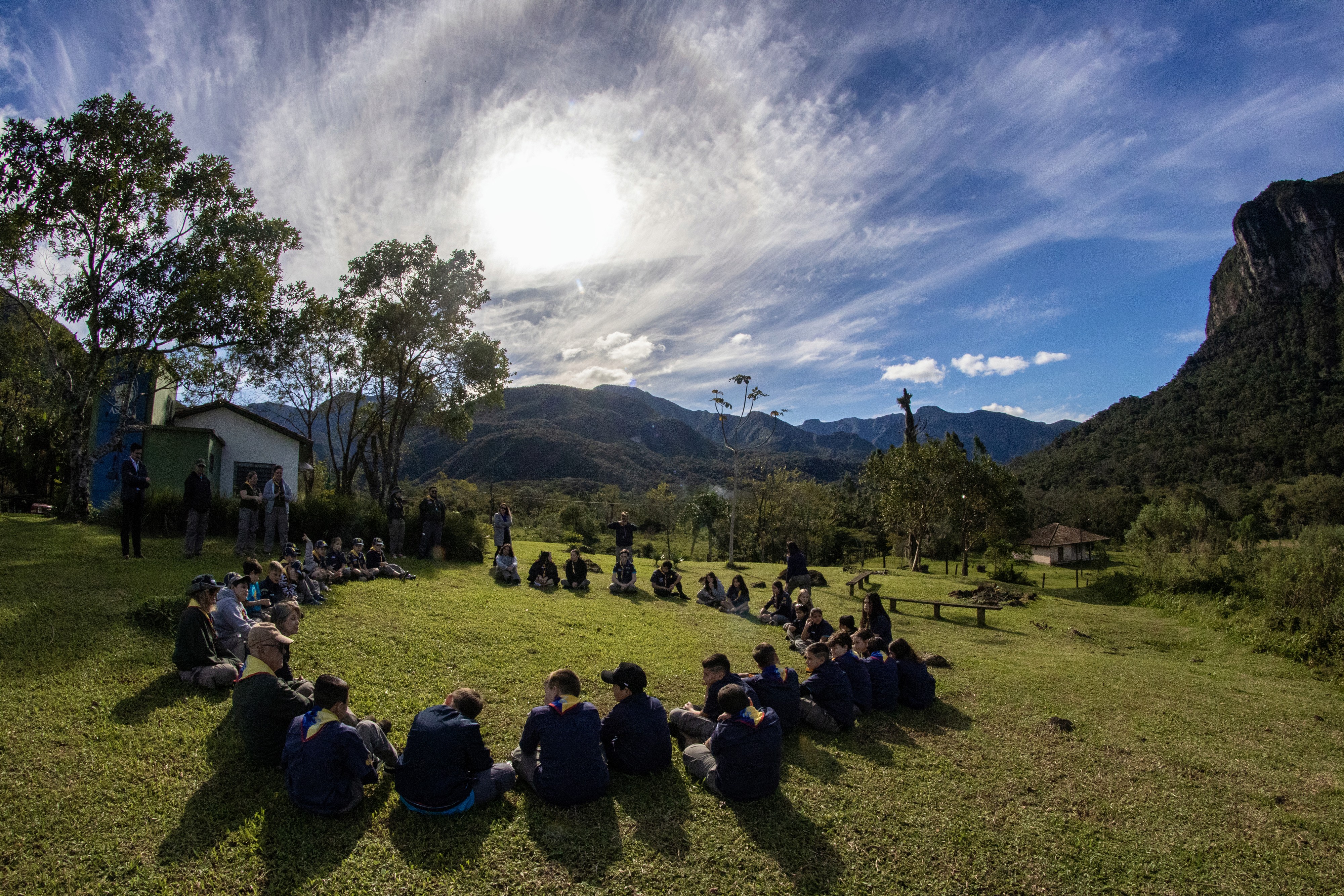
Hoje, o Felinos do Aguaí compartilha esse trabalho no Restor, mapeando áreas restauradas, acompanhando as mudanças ao longo do tempo e se conectando com uma comunidade global que trabalha para o rewilding em grande escala.
Explore, aprenda com e apoie o trabalho em desenvolvimento na Reserva Biológica Estadual do Aguaí no Restor.